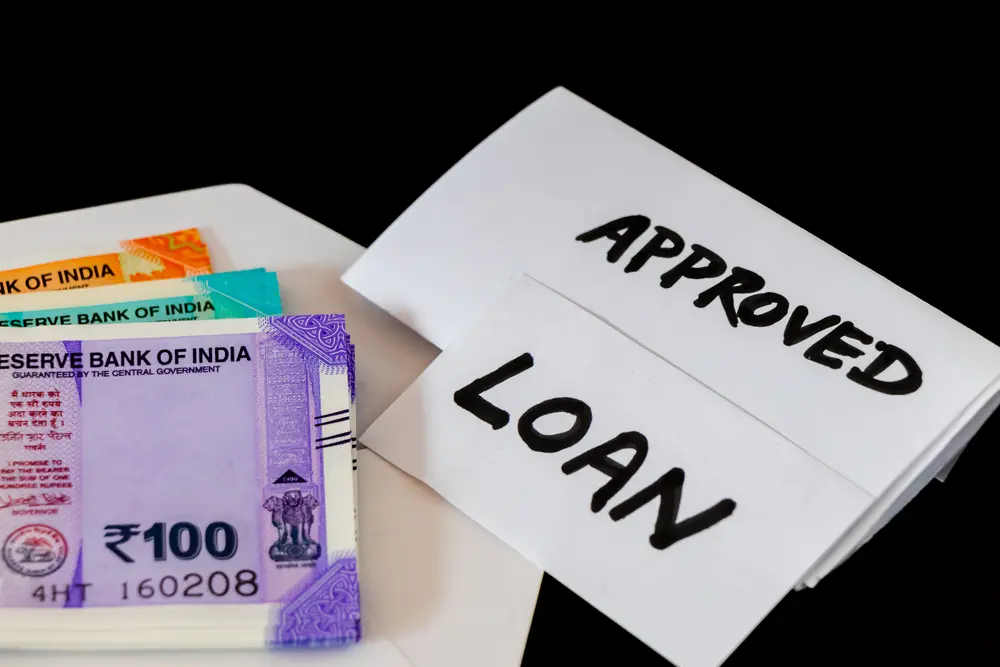
Getting an admission letter feels amazing, right up until you see the fee structure. That’s the moment most families start googling how to get an education loan, often in a bit of a panic. It doesn’t have to be stressful if you know the process.
Why Education Loans Aren’t as Scary as They Sound
A lot of parents I’ve spoken to treat loans like some kind of financial trap. They’re not. Government-backed education loans in India are actually designed to be student-friendly, with moratorium periods and tax benefits under Section 80E.
Quick answer: To get an education loan, you need admission proof, academic records, income proof of a co-applicant (usually a parent), and collateral for loans above ₹7.5 lakh in most cases. Public sector banks like SBI and PNB offer competitive rates starting around 8-9%.
Step 1: Get Your Admission Confirmed First
No bank processes a loan application without a confirmed admission letter. This is non-negotiable, so don’t approach a bank before this stage.
Step 2: Choose the Right Type of Loan
- Domestic education loans — for studying within India
- Study abroad loans — higher amounts, stricter documentation
- Skill development loans — smaller amounts for short courses
Step 3: Documents You’ll Actually Need
- Admission letter from the institution
- Fee structure document
- Mark sheets of 10th, 12th, and graduation (if applicable)
- Co-applicant’s income proof (salary slips or ITR)
- Collateral documents, if the loan amount is high
- Passport-size photos and identity proof
Missing even one document can delay approval by weeks, so keep a checklist ready in advance.
Step 4: Collateral — When Is It Required?
For loans under ₹7.5 lakh, most public banks don’t ask for collateral, thanks to government-backed schemes like the Credit Guarantee Fund. Above that, expect to pledge property, FDs, or insurance policies.
Step 5: Compare Interest Rates Across Banks
Quick answer: Interest rates on an education loan in India typically range between 8% and 12%, depending on the bank, loan amount, and whether collateral is offered. Public sector banks generally offer lower rates than private banks or NBFCs.
- SBI: around 8.15% onwards
- Bank of Baroda: competitive rates for premier institutes
- Private banks: slightly higher, but faster processing
- NBFCs like HDFC Credila: quick approval, higher rates
Step 6: Understand the Moratorium Period
Most loans allow a “moratorium period” — meaning you don’t have to repay the principal until 6-12 months after course completion. Interest may still accrue though, so paying that portion during college, if possible, saves money later.
Tax Benefits Nobody Talks About Enough
Under Section 80E, the interest paid on an education loan is fully deductible from taxable income for up to 8 years. This is a genuinely useful benefit that many families forget to claim.
FAQ
Q1. Can I get an education loan without collateral? Yes, for amounts up to ₹7.5 lakh under most government-backed schemes, no collateral is required.
Q2. How long does loan approval take? Usually 2-4 weeks, though it can be faster for premier institutes with pre-approved tie-ups.
Q3. Does CIBIL score affect education loan approval? The co-applicant’s CIBIL score matters more than the student’s, since parents are usually the guarantors.
Q4. Can I prepay an education loan early? Yes, and most banks don’t charge prepayment penalties on education loans, unlike other loan types.
Q5. What happens if I can’t repay after the moratorium? You can request restructuring or an extended repayment tenure — banks usually work with students rather than push for default.
Conclusion
Figuring out how to get an education loan feels overwhelming at first, but it’s a fairly structured process once you break it into steps. Start early, compare at least three banks, and don’t hesitate to negotiate on processing fees. [link to related guide about scholarships for 2026 here] Your degree is an investment — treat the loan process with the same seriousness.