So you’ve just finished your board exams, and now everyone — relatives, neighbours, that one uncle who shows up only during exam season — has an opinion about your future. If you’re stuck figuring out career options after 12th, you’re not alone. Every year, lakhs of students hit this exact wall, not because they lack talent, but because nobody actually sits down and explains the real options in plain language.
Let’s fix that.
Why This Decision Feels So Heavy
Honestly? Because it is heavy, at least it feels that way at 17 or 18. But here’s something I’ve noticed after talking to a lot of students over the years — the first choice you make right after 12th rarely defines your entire life. It sets a direction, not a destiny.
Quick answer: The best career options after 12th depend on your stream — Science opens doors to engineering, medicine, and research; Commerce leads to finance, CA, and business; Arts covers law, design, civil services, and media. Match the option to your interest, not just the “safe” choice.
Science Stream: Beyond Just MBBS and Engineering
Science students often feel boxed into two choices — doctor or engineer. That’s outdated thinking.
- Engineering (through JEE Main/Advanced) — still solid, especially CS and electronics
- Medical (NEET) — MBBS, BDS, BAMS, nursing
- Pure sciences — B.Sc in physics, chemistry, biotech, leading to research or teaching
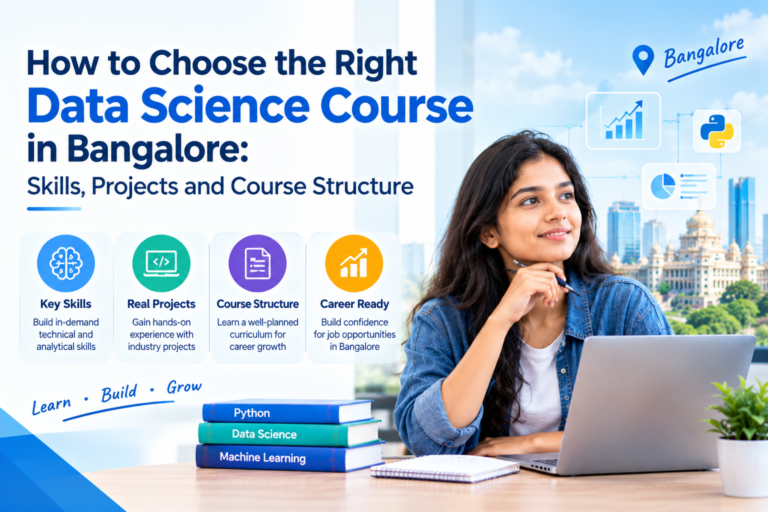
- Data Science and AI courses — genuinely booming right now
- Merchant Navy or Aviation — if you want something less conventional
A cousin of mine did B.Sc in Statistics instead of engineering, and honestly, she’s earning better than most of her engineering friends now, working in analytics. Point is, don’t assume there’s only one “correct” science path.
Commerce Stream: Not Just CA Anymore
Commerce has expanded massively.
- Chartered Accountancy (CA) — tough, but respected
- B.Com / BBA — gateway to MBA later
- Company Secretary (CS) and CMA
- Digital marketing and e-commerce roles
- Banking and finance sector jobs
If numbers don’t scare you, commerce gives a decent mix of stability and flexibility.
Arts/Humanities: The Most Underrated Stream
People still say “arts hai to future kya hai,” which is honestly a bit outdated now. Law, journalism, psychology, UPSC preparation, fashion design, and even UX design — all of these have serious scope. [link to related guide about UPSC preparation strategy here]
Vocational and Skill-Based Courses
Not everyone wants a traditional degree, and that’s fine.
- Hotel management
- Graphic design and animation
- Coding bootcamps
- Digital marketing certifications
- ITI/polytechnic diplomas
These often get you job-ready faster than a 3-year degree does.
How to Actually Decide
Quick answer: Pick a career after 12th by matching three things — your genuine interest, your financial situation, and realistic job demand in that field. Don’t choose purely based on peer pressure or family expectation.
Ask yourself: would I still enjoy this subject even without the pressure of scoring marks? If yes, you’re probably on the right track.
Common Mistakes Students Make
- Choosing engineering just because “sab kar rahe hain”
- Ignoring budget and taking loans for courses with poor ROI
- Not researching the actual job market for the course
- Skipping aptitude tests that could clarify confusion
FAQ
Q1. What is the best career option after 12th Science? There’s no single “best” — engineering and medicine remain popular, but data science, biotechnology, and pure sciences are gaining serious traction too.
Q2. Can I switch streams after 12th? Yes, to some extent. Commerce and Arts students can pivot into fields like law, design, or even certain tech roles through bridge courses.
Q3. Is a degree still necessary in 2026? For most professional fields, yes. But for tech, design, and digital marketing, skills and a strong portfolio sometimes matter more than the degree itself.
Q4. What if I don’t get into a “reputed” college? It matters less than people think. Skills, internships, and consistency usually outweigh college brand name in the long run.
Q5. How do I know which career suits my personality? Career counselling tests, talking to professionals in that field, and short internships or workshops can help a lot before committing.
Conclusion
Choosing among the many career options after 12th isn’t about finding one perfect answer — it’s about making an informed, honest choice. Talk to people already working in fields you’re curious about, not just relatives with strong opinions. If you’re still unsure, take a gap of a few weeks (not months) to explore, then commit and move forward with confidence.